| Company | Sourcier Co., Ltd. |
|---|---|
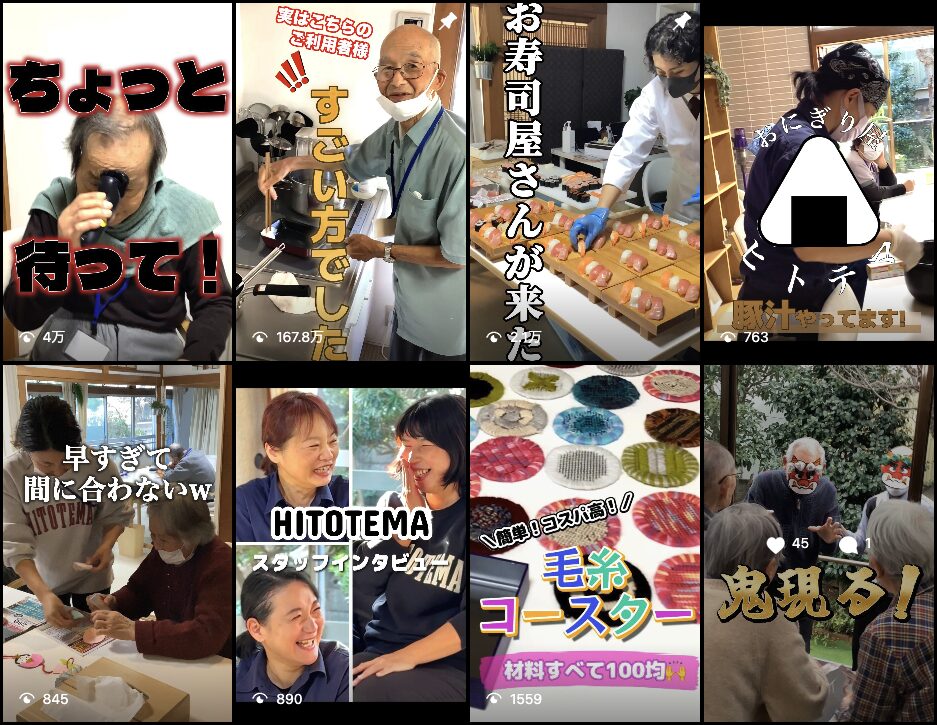
| Product / Service | Hitotema, an independence-support day service, on Instagram, TikTok, and YouTube |
| Services Provided | Video content consulting (planning, production, and management) |
| Objective | Recruitment and greater awareness for the Hitotema day service |
| Results | Successful recruitment through social media: over 1.9 million cumulative Instagram video views and four care workers hired within a year |
Related press release (Japanese)
MASS DRIVER uses short-form video to help Hitotema Chigasaki, an independence-support day service, hire four new staff members
Social Media Management Aimed at Recruiting Young Talent
— Please tell us the background behind these initiatives.
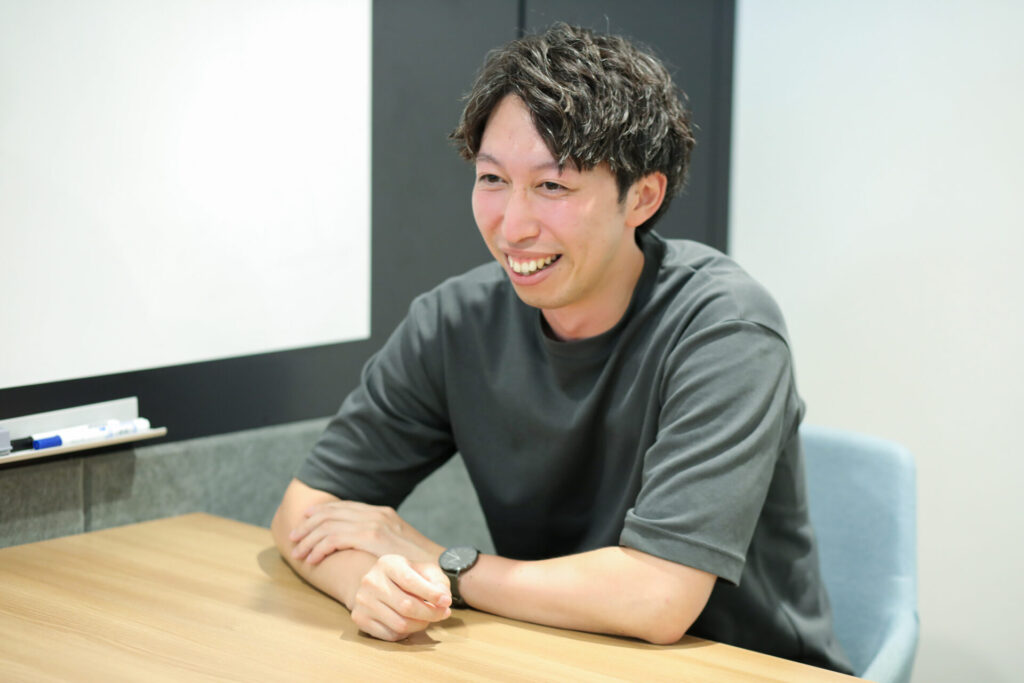
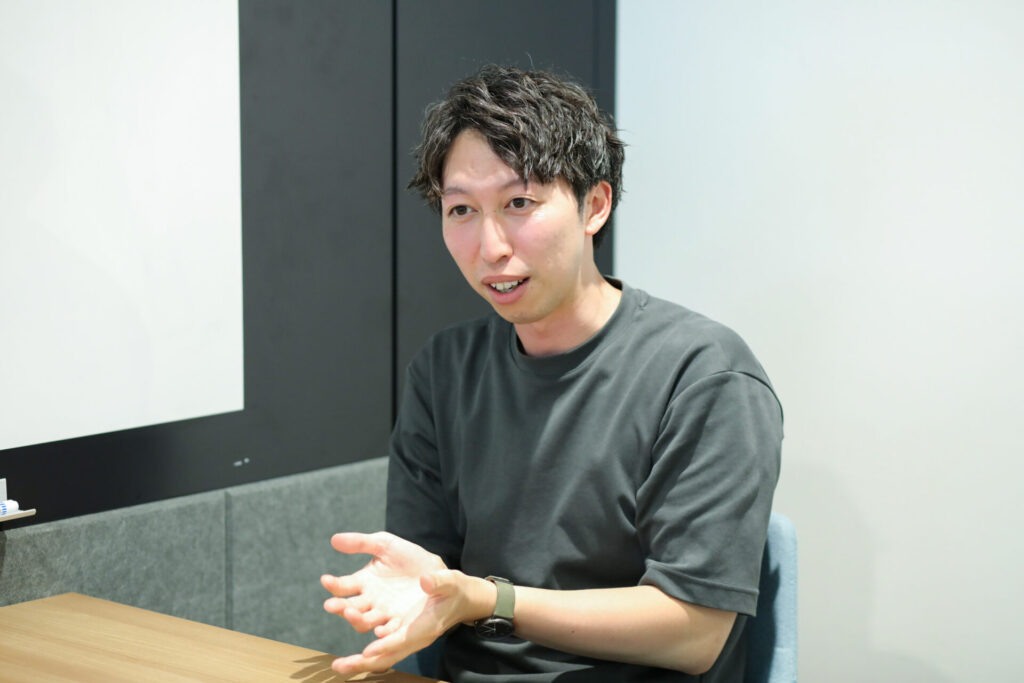
Naoki Tamura (Tamura):
Sourcier Co., Ltd. runs a diverse range of businesses and brands centered on two pillars: a food and beverage division and an education and welfare division.
One of them, Hitotema Chigasaki, which opened in 2023, is a day care facility focused on supporting independence, supervised by occupational therapists. Our goal is to be a place where adding a little extra care, a “hitotema,” helps users become able to do things they couldn’t do before.
At Sourcier, there is currently a push to use social media to support recruitment. What we asked MASS DRIVER for this time was a consulting service covering social media management, video editing, and planning for Hitotema Chigasaki. Running social media was a first for our company, so they have supported us in everything, including filming and editing.
At first, we really started from knowing nothing at all. No one knew how many hours it would take or how hard the work would be, so we were worried about whether we could do it. But now, thanks to MASS DRIVER’s support, we are publishing vertical short-form video content on Instagram, TikTok, and YouTube.
— What challenges did you want to solve with these initiatives?
Tamura:
I think the shrinking workforce has become an issue for Japanese society as a whole. Securing young talent is essential for the company’s survival, and we thought social media, the tool young people use, might be the way to solve that.
Traditional employment agencies tend to bring in many older applicants, so our challenge was how to recruit younger people, up to around their 40s. We thought social media could solve that.
Building Fans with a Daily Video for 100 Days Until Opening
— How did the collaboration begin?
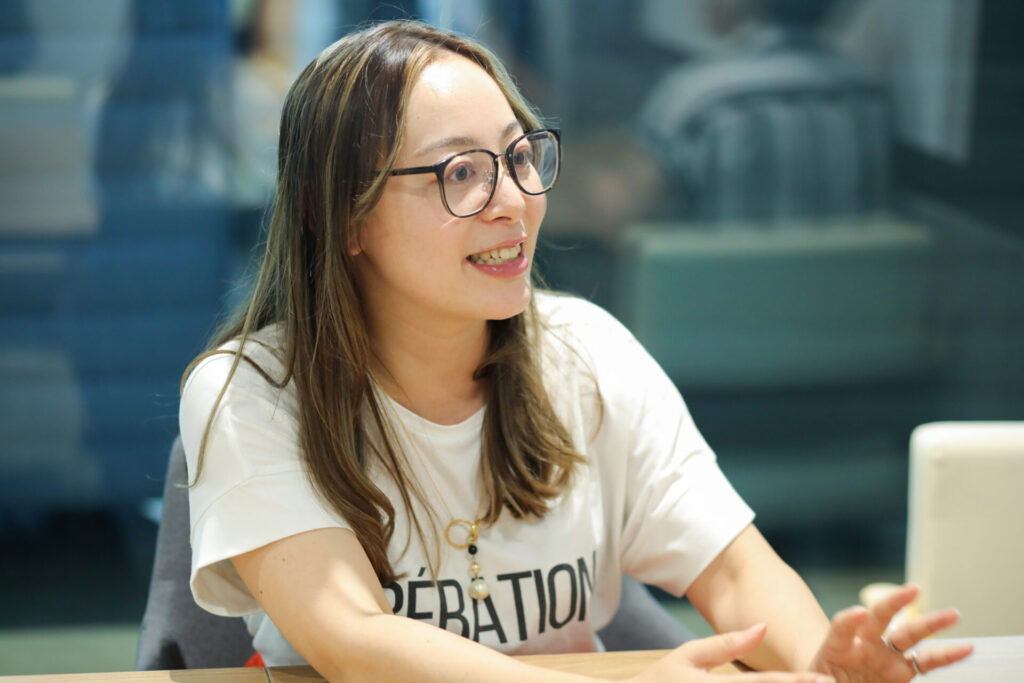
Yukako Makino, Head of Social Media Marketing at MASS DRIVER (Yukako):
We use the same shared office as Sourcier, and as we kept running into each other there, MASS DRIVER ended up helping with their social media management.
When we heard they were opening a new facility, we proposed making videos that would start filming before the opening and follow the process all the way to opening day.
We considered still images too, but these days, videos catch far more people’s attention. Filming and editing videos would increase the workload, but we decided to give it a try and push ourselves a little, and that is how it started.
— Did you have any concerns before getting started?
Yukako:
There were detailed questions, like how much of the facility users we could show in the videos, and more fundamental ones, like who would edit the videos. My biggest worry was securing the people needed to put out videos consistently.
Tamura:
I ended up being in charge of editing, and once I tried it, it was just a lot of fun.
I actually had a little video editing experience before, but with MASS DRIVER’s support and guidance, I really feel I am sharpening my editing skills. When we started, they also advised us on things like choosing editing software, which was a big help.
What was even better is that, until then, I had few chances to interact with other divisions in the company, but by taking on editing, I built connections across divisions. As a result, we were able to deepen our own understanding of the company’s businesses, which was a big benefit.
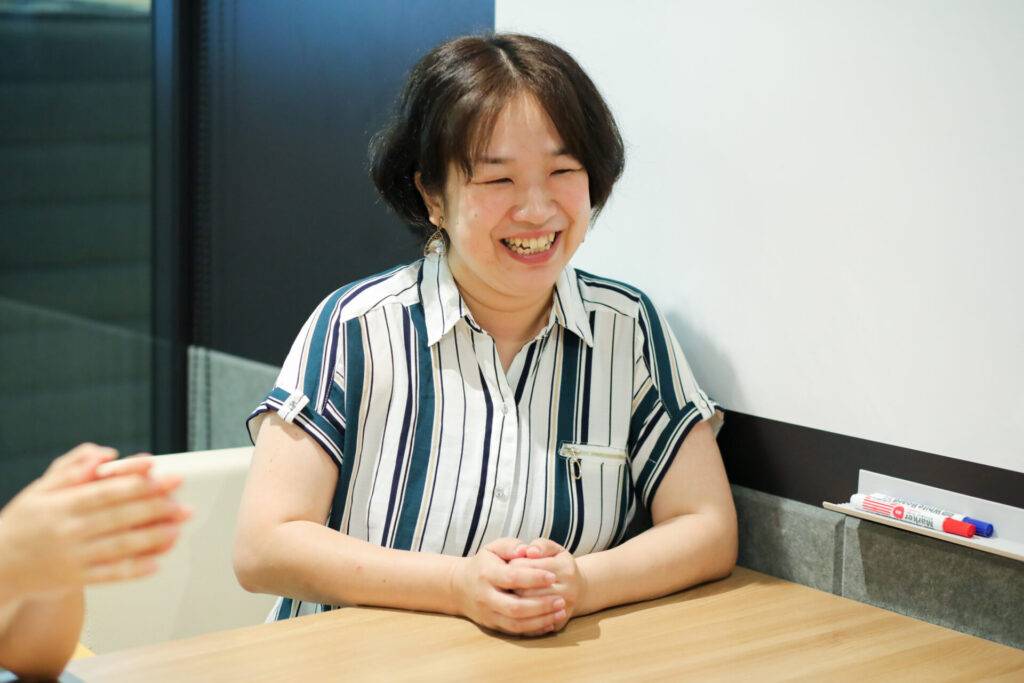
Ayumi Amakasu, Lead Director at MASS DRIVER (Amakasu):
Even so, it was really tough at first, wasn’t it? The first social media project we took on was posting a video every day for the 100 days leading up to the facility’s opening.
Tamura:
I thought “every day” meant just the five weekdays… In reality, it was seven days a week, which was pretty tough (laughs).
Yukako:
When the content stock ran low, we went out to film too, and it created a real sense of unity, didn’t it?
Tamura:
Over 82 posts, we reached 180,000 cumulative views and 110,000 new people. In the end, it went really well.
Yukako:
Starting from zero followers and zero experience, honestly, we never expected the numbers to grow this much. The sheer number of videos posted clearly made a difference, and a few of them became hits, which I think led to these good results.
Social Media Actually Led to New Hires
— How did people inside the company react?
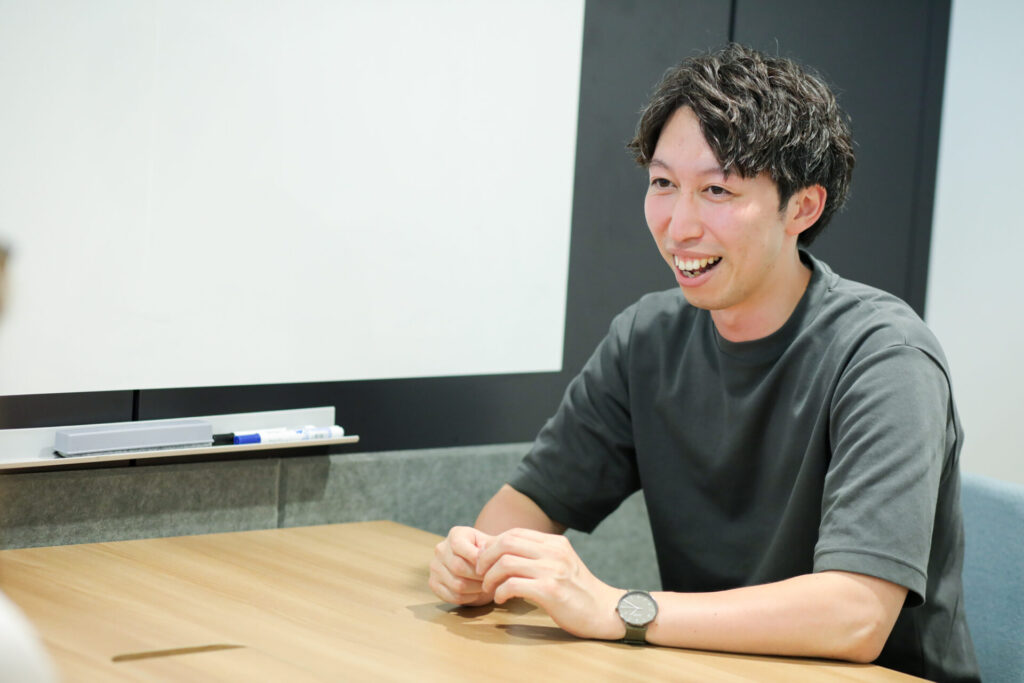
Tamura:
We let people in the company know about the account and asked them to watch, and the internal response was really great. People told us things like “Yesterday’s video was fun,” and they subscribed to the channel and followed the account.
Viewers related to the videos too, and we got comments on social media like “I enjoy watching” and “Keep it up,” which motivated us. And just as we had hoped, there were also comments like “I’d like to work there” and “I want to visit once it opens,” which made us very happy.
— That is exactly the reaction you were aiming for.
Yukako:
In the videos, we made sure to focus not only on the users of Hitotema Chigasaki but also on the staff. I think it worked well that we planned content that conveyed the behind-the-scenes reality, such as daily meetings and staff painting the facility.
Tamura:
In fact, some people joined Sourcier Group because of Hitotema Chigasaki’s social media. I think it was around the fourth month after we started!
Yukako:
When you consider how much companies pay recruitment platforms, hiring through social media has real advantages. Growing a social media account takes time, so consistent posting is a prerequisite, but because the videos show the real workplace and what goes on behind the scenes, I think it reduces mismatches. It is very different from just writing “We’re a fun workplace” in text.
Tamura:
Video carries overwhelmingly more information than text and photos. It conveys the “atmosphere” of the workplace and the people as it is, which is hard to get across in writing, so I really feel viewers are getting a clear picture of what the workplace is like.
— Please tell us what you did to make the video editing and social media management work.
Tamura:
Since we had never done any of this, I often worried about the quality of the videos and whether the direction of the content was right.
Without knowing what the right answer was, it helped that MASS DRIVER reviewed the content and gave us feedback so we could revise it before posting.
One of the points they raised was that “the perspective of who you are speaking to is missing.” When we try to make fun videos ourselves, they tend to turn into inside jokes. But they made us realize we had to ask whether it would really be interesting to someone watching for the first time.
They also gave us a multifaceted, big-picture perspective on how the videos come across to people other than ourselves, such as users’ families and care managers. Since we eventually aim to bring this in-house, it was a great learning experience.
Yukako:
If we can show how the staff hold meetings every day, as a matter of course, to carefully share even small pieces of information, viewers will feel, “This is a place that really thinks carefully about its users.”
Inside jokes tend to narrow your perspective, and there is a pattern where seeking more and more stimulation ends in a backlash. But this is a company account, so a backlash must be avoided at all costs.
When it comes to creating content that won’t spark a backlash, I think it may help that I know the baseline for things like compliance from my experience working in the HR department of a large company, and that I myself have a disability.
Videos That Lead to Hires and That Viewers Enjoy
Amakasu:
We paid close attention to whether, after watching the videos, people would want to entrust their own family to this facility. We aimed for “videos that feel good to anyone who watches them,” where not only the staff but also the users look like they are having a good time.
We also sometimes went to the facility in person to plan content. There were many hints in our conversations with the staff.
Things like quickly handing a hanger to a user taking off their coat in the morning, moving a chair so it’s easier to put on shoes, or speaking kindly. Things that are “just normal” to the staff can become video ideas or appeal worth sharing once an outsider’s perspective comes in.
We also tried ideas like having users with a wealth of life experience speak, set to trending music, in ways that ease the worries of younger generations.
Yukako:
We want to show the steady, unglamorous parts too, and what we want to show differs depending on the plan and purpose of each video. We look at the balance among videos, general ones, trend-focused ones, ones aimed at recruitment, and so on, when we post. Being able to put out such a wide variety of content is a strength of short-form video.
— How are you thinking about the future?
Tamura:
We want to keep running social media in the same direction and turn it into hires.
We want to keep sharing video content that helps people get to know our facilities and company, so that as many people as possible think, “I want to work here.”
While continuing to work alongside MASS DRIVER, we would like them to guide us at a high level so we can aim for strong outcomes and results.
I feel my editing skills are gradually improving, and I have had valuable experiences, like being put in charge of the video for the company’s recruitment page. Recently, my edits are often approved on the first try, which is also giving me confidence.
Amakasu:
Along with leading to hires, we also want to keep valuing the fact that the videos we share bring joy to users’ families and care managers.
Yukako:
I hope we can keep running social media in a way that makes everyone happy.
Tamura:
We look forward to continuing to work with you!