
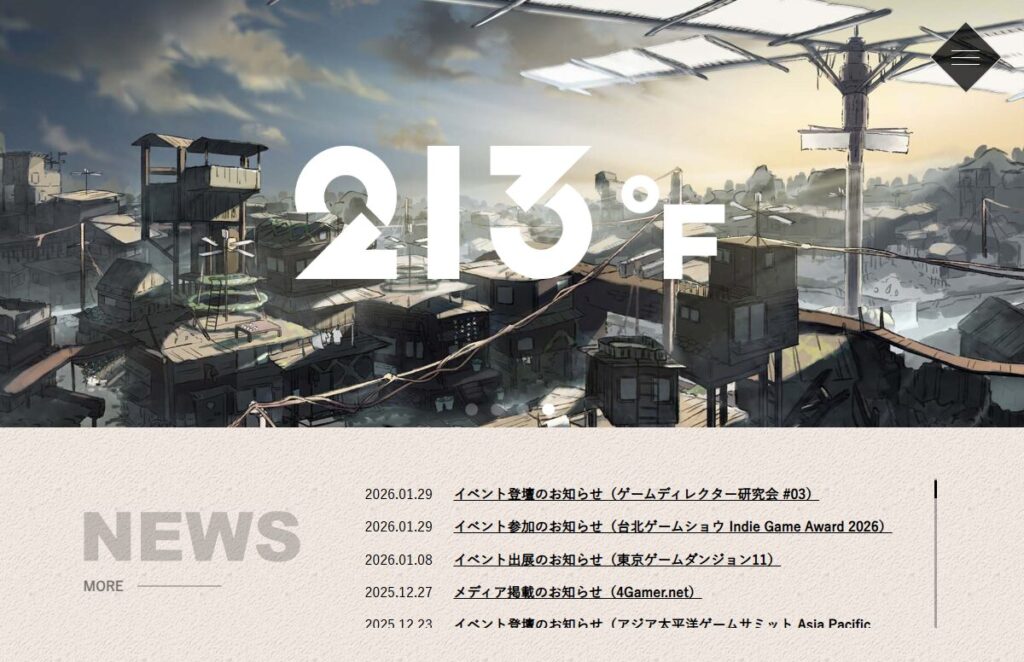
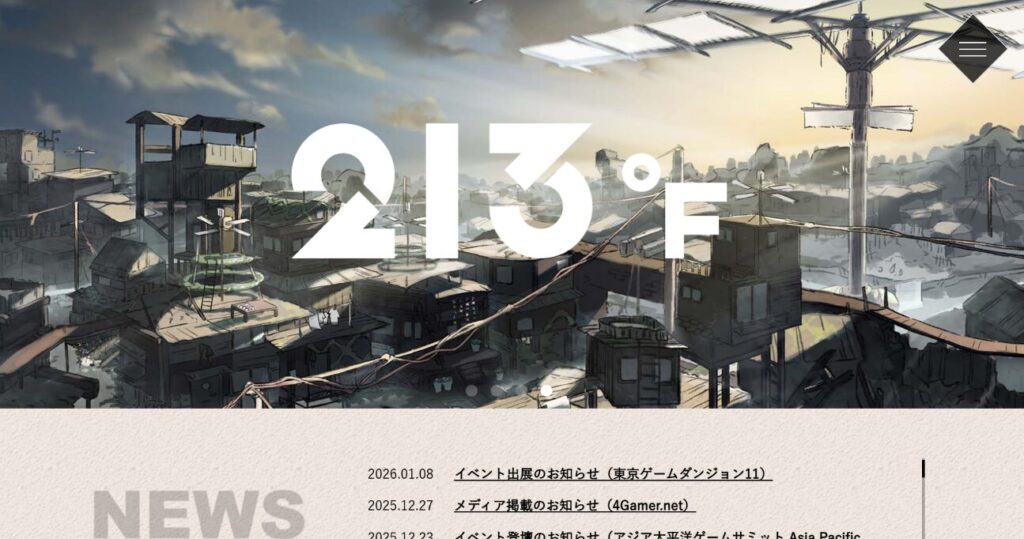
| Company | Fahrenheit 213 Inc. |
|---|---|
| Product / Service | Game development |
| Services Provided | Translation of text into other languages that feels natural to local audiences, plus social media marketing support |
| Objective | Putting words into language that not only translates accurately but “communicates the appeal” |
| Results | Featured by many media outlets in Japan and abroad, with some social media posts viewed millions of times. The English trailer drew so much attention that its views surpassed the Japanese version’s |
“Translation” from a Marketing Perspective
— What are you currently working on together?
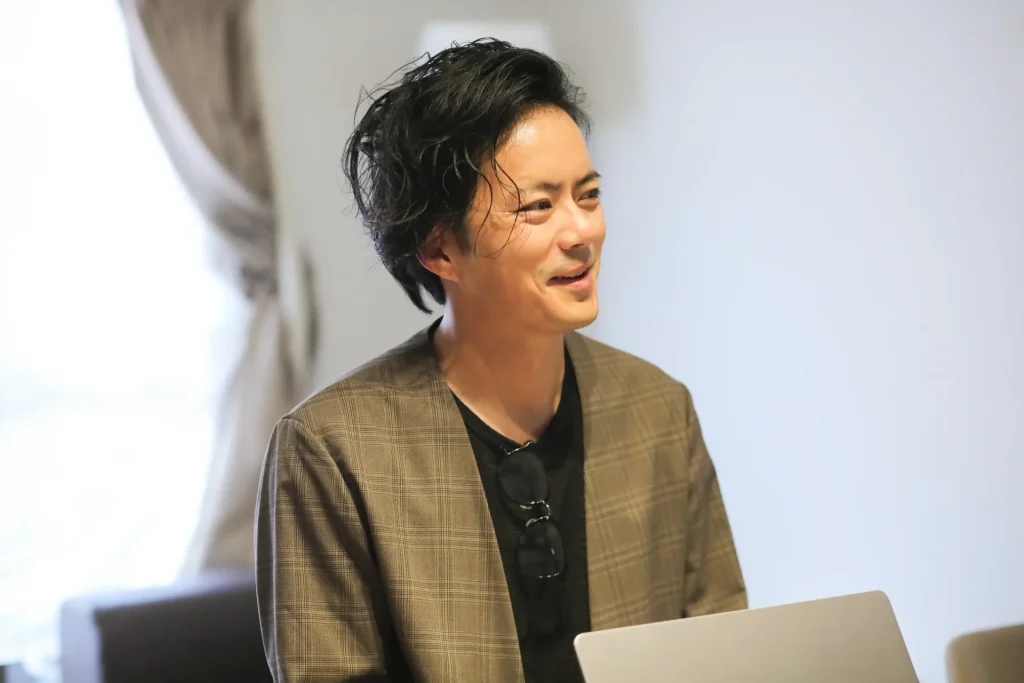
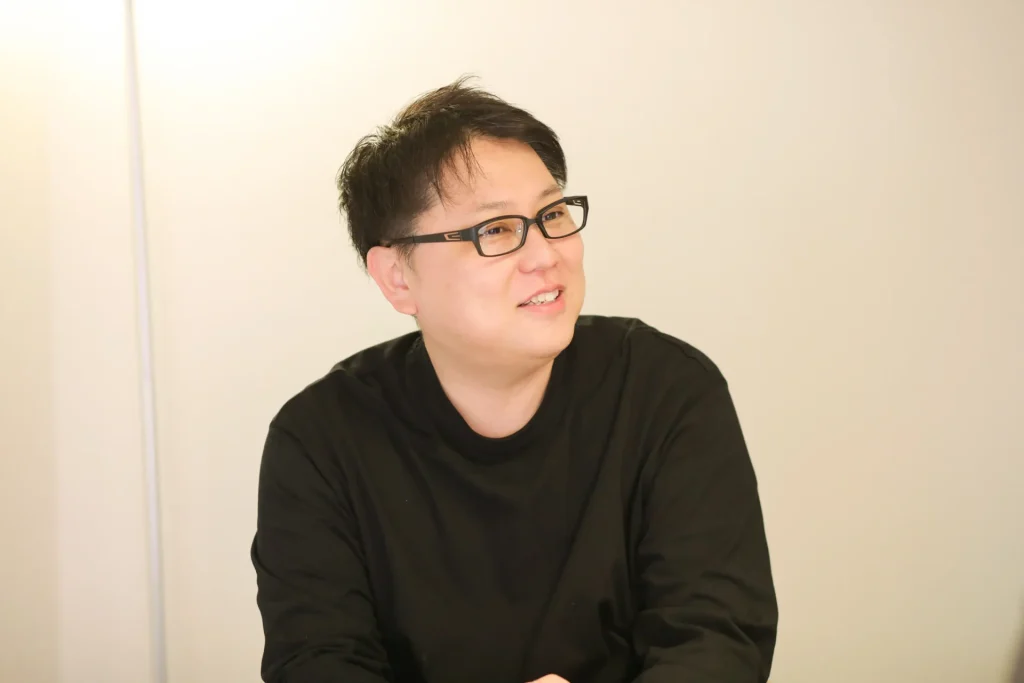
Yosuke Shiokawa, CEO of Fahrenheit 213 Inc. (Shiokawa):
We consult with MASS DRIVER on translating the text used in our games. Specifically, that means translating game titles and in-game terminology from Japanese into other languages. For titles we have already announced, they also translate scripts written in Japanese into English and Chinese.
Shiokawa:
MASS DRIVER focuses mainly on digital marketing while also handling translation work. I think it means a lot that they don’t simply swap one language for another, but translate with a deep focus on “how it will come across.”
— When did this work begin?
Shiokawa:
It started a few years ago, when we were running a joint project with another company and suddenly needed a Chinese version of a game proposal. They translated a roughly 300-page Japanese proposal into Chinese for us, and that became the starting point of our current collaboration.
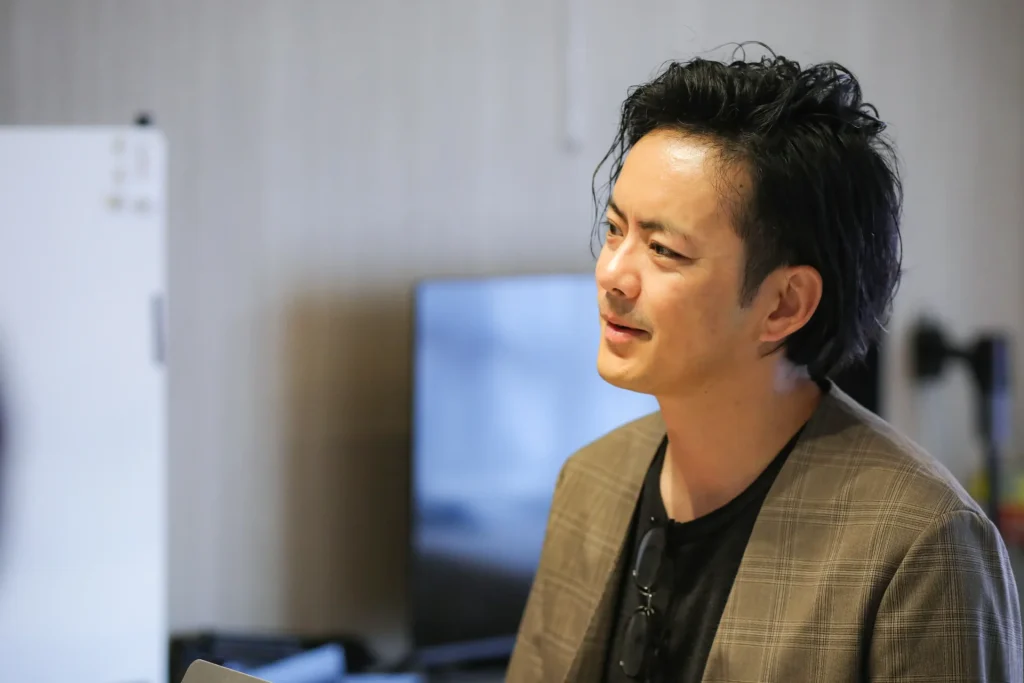
Tetsuro Makino, CEO of MASS DRIVER (Makino):
At the time, we were partnering with one of China’s largest entertainment companies on a game business, handling everything from asset translation to production coordination and localization. I believe you reached out to us because you valued that knowledge of the game industry. The translation request came while your project was already underway, and we also handled the text for the trailer and the store page descriptions.
The Essence of Translation Needed in Game Development
— What kind of company is Fahrenheit 213 Inc.?
Shiokawa:
I founded the company in February 2022. Before that, I worked at a major game company, but I chose to go independent. Today, a small core team develops games while collaborating with outside creators and engineers on a project-by-project basis. We are small, but that lets us be all the more particular about the quality of our work.
Around 2023, a company asked us to “submit a game proposal in Chinese.” When I asked who I should consult, that company introduced me to MASS DRIVER.
Makino:
We had collaborated with that company on another project, and they recommended us, thinking MASS DRIVER, which understands the game industry, could handle the translation.
Shiokawa:
We suddenly had to translate a game proposal of around 300 pages into Chinese, so it was a huge help. Game proposals use unique expressions and need to convey the world of the game well, so machine-like translation simply doesn’t work. On top of that, it was not an internal development document but a presentation for another company, so it had to not only “translate accurately” but also “communicate the appeal.” I think this in particular is hard to translate unless the company has real experience in the game industry.
Makino:
We do have experience translating into Chinese, but translating proposals is especially difficult, because the person reading the proposal needs to come away feeling, “I want to move forward with this.” So in addition to understanding the world of the game, we translated with the decision-maker’s perspective in mind.
Shiokawa:
I think the translation played a big role in how the proposal was evaluated, and it helped us enormously.
Makino:
We now also translate the games themselves, and even a single Japanese word can leave a very different impression depending on which word you choose in another language. There are subtle nuances in sentence endings too, like the difference between a neutral “This is ___” and a casual “This is totally ___.”
Even words decided after a lot of trial and error are often revised with “No, this still isn’t right.” I find title translation the most difficult of all, because you have to pack the world, story, and gameplay into just a few characters and make players excited about it.
Shiokawa:
The Japanese title itself is created through many rounds of refinement. Breaking down the meaning packed into it and expressing it in another language takes a great deal of understanding and imagination.
The Unsung Hero: The Moment Translation Showed Up in the Results
— Please tell us about the “results” so far.
Shiokawa:
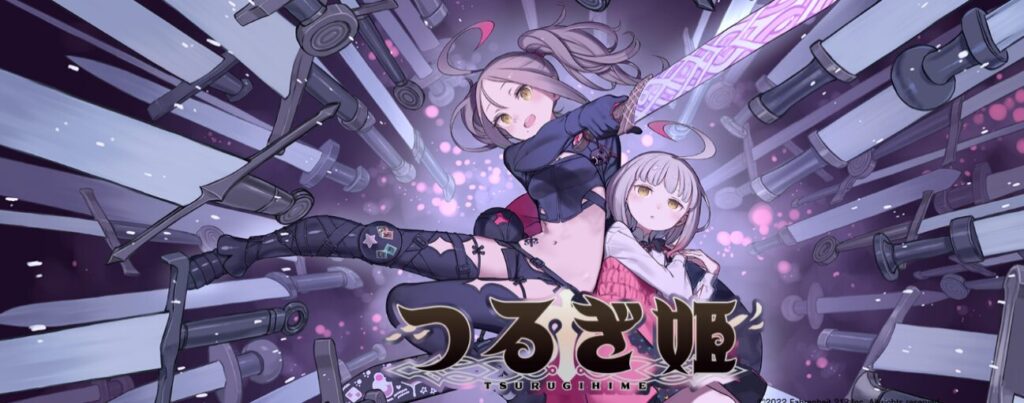
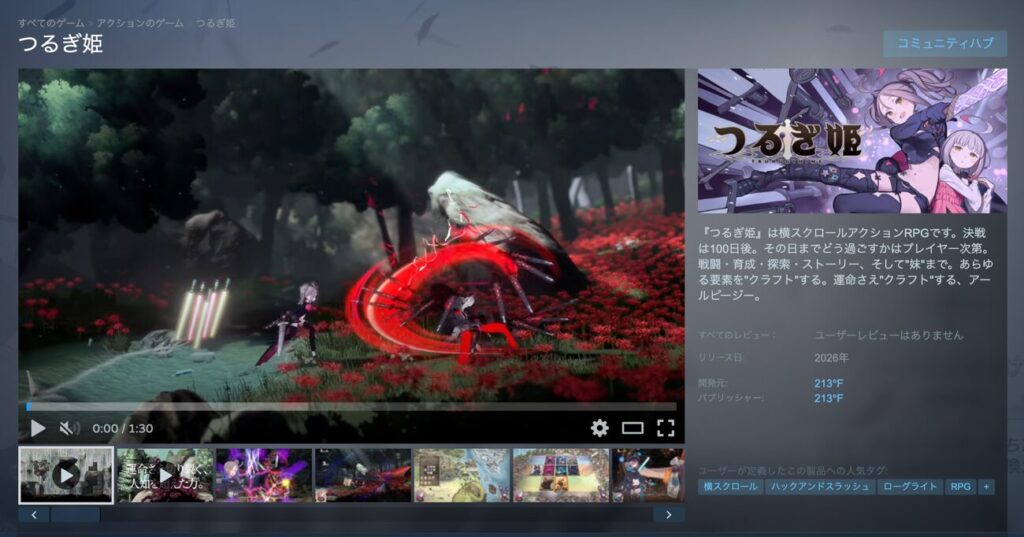
As a recent example, we released a new trailer at the end of 2025 for TSURUGIHIME, a PC game we are currently developing. It was featured by many media outlets in Japan and abroad, and some social media posts were viewed millions of times. What stood out most, though, was that the English trailer’s views grew to surpass those of the Japanese version.
Of course, there were many factors, but there is no doubt the translation played a major role. Even with great content, if the translation had made the expression clumsy, I don’t think it would have been received this well.
We want to take on something that sounds obvious but is actually difficult: “create something new and see it through to completion.” Since founding the company, we have assumed global expansion from the start, and we aim to release games that excite people across languages and cultures. To do that, we want to make games with a certain universality that anyone can enjoy regardless of nationality or background, while still showing Japanese character and our individuality as Japanese creators. For global expansion, I believe creating content with a marketing perspective, and translating it with that perspective, is extremely important.
Right now, we are reviewing the final proposals for the title translation of another game. I think the key is whether the impact created in Japanese by deliberately making the words “catch” the reader can be rebuilt in other languages too.
Makino:
Thank you for considering our proposals. At MASS DRIVER, we believe translation should always have a “purpose.” With game title translation, conveying the game’s appeal and world is of course important, but the real purpose is for the game to be discovered, purchased, and played.
While typical translation companies prioritize “correctness,” what we prioritize is “whether it leads to results.” This comes from the fact that we are a marketing company at our core, and we see it as our reason for being.
Taking On Marketing in the U.S.
— Are you also considering working together in marketing going forward?
Shiokawa:
We would love to. For example, would marketing in the U.S., where MASS DRIVER has moved its base, be possible?
Makino:
In the entertainment field, we already provide social media management and SEO support for the U.S. market, so we can offer hands-on support for companies that want to expand while building up their own in-house know-how.
Shiokawa:
In the game industry, even small studios can now take on overseas markets. The question is how to compete there. I would be very happy if you could keep working alongside us, including on marketing.
Makino:
Thank you. We will do our best!